

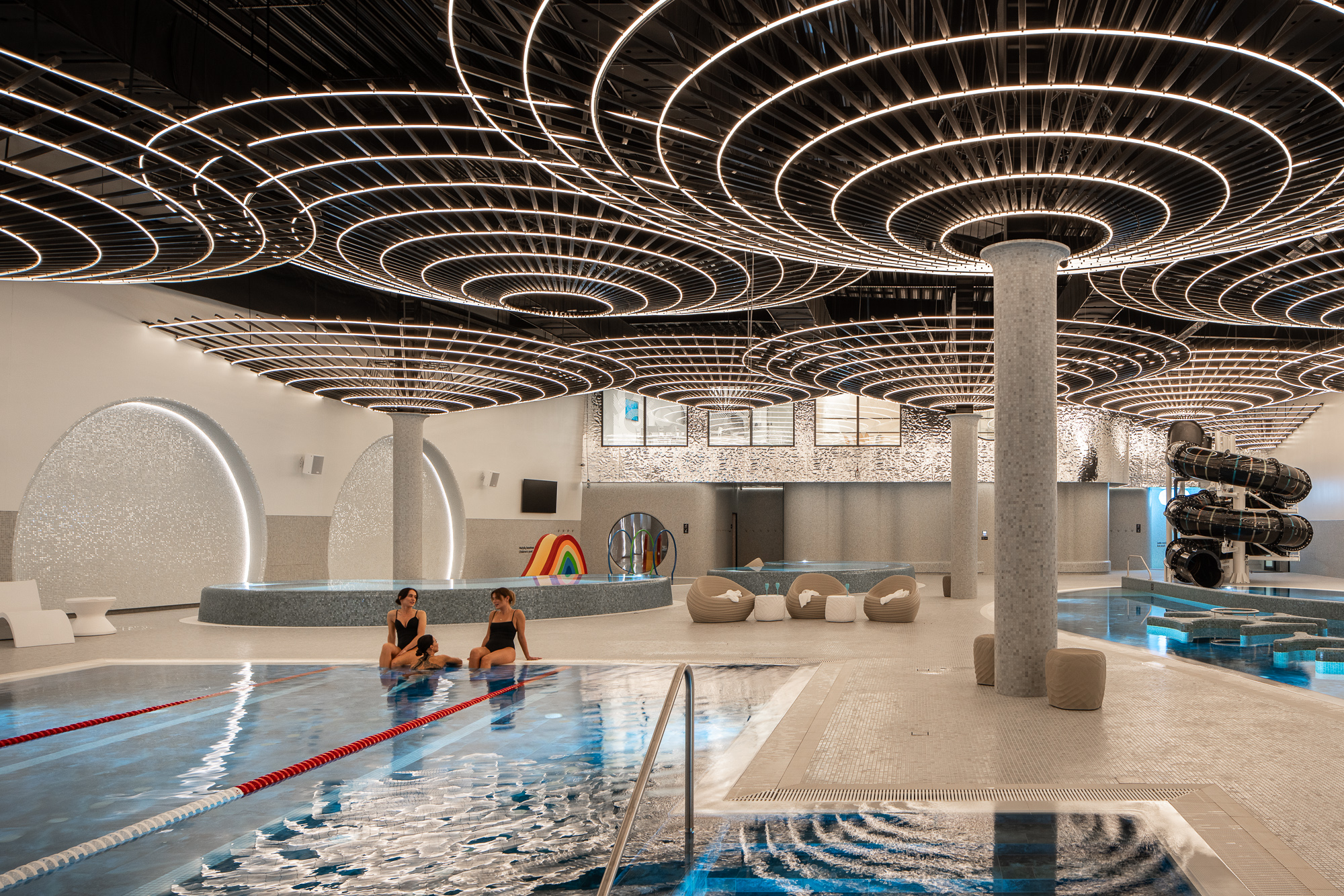
What makes good architecture? The answer is rarely found in the most striking façade or the most expensive material. A building can be visually memorable and still fail the people who use it. Equally, a restrained building can become essential to the life around it. Good architecture begins where the needs of people, the character of a place and a clear architectural idea meet.
At LAVA projects, we see architecture not as the pursuit of a recognisable style, but as a process of asking better questions. What is already valuable here? How will this space be lived in? What should remain relevant in ten, twenty or fifty years? The answers shape the project long before the final image appears.
Understanding the place before drawing the building
Every site has a history, a scale and a rhythm. The orientation of the sun, existing trees, neighbouring buildings, street edges, views and everyday movement all influence what a new building should become. Context is not simply a set of restrictions. It is a source of architectural ideas.
This matters in a historic city centre as much as it does beside a lake or on a quiet residential street. A building should not have to imitate its surroundings, but it should understand them. The best response may be deliberately understated; sometimes a strong contrast can be equally respectful. What matters is that the choice is deliberate and convincingly resolved.
A good plan is more important than an impressive render
Architecture is experienced in movement and through everyday routines, not as a single static photograph. A successful layout makes connections feel natural: an entrance is easy to find, rooms have the right relationships, circulation is clear, and private and shared areas are arranged with care.
In a house, this may mean making the morning routine effortless while preserving quiet corners. In a public building, it may mean creating an intuitive sequence from the street to the entrance and through the interior. These decisions can be almost invisible when they work well. That does not make them less architectural.
Light, proportion and material give space its character
Natural light changes a space throughout the day and across the seasons. Proportion influences whether a room feels calm, open, intimate or overwhelming. Materials affect not only appearance but also touch, sound, durability and maintenance. These elements should work together rather than compete for attention.
We are interested in materials used with purpose. A modest material, carefully detailed and placed in the right light, can be more convincing than an expensive finish used merely to impress. The junction between a wall and a window, the depth of a reveal or the transition from one surface to another may say more about a building’s quality than its overall silhouette.
Architecture should last beyond the first impression
Good architecture considers what happens after the opening photographs are taken. Can the building adapt when needs change? Are its materials appropriate for local weather and use? Will it be comfortable to maintain? Can it age with dignity?
Long-term value is not created by appearance alone. It depends on sound planning, robust details, energy-conscious decisions and spaces that remain useful. Sustainability is most meaningful when it is integrated into those decisions from the beginning, not added as a fashionable label at the end.
Every building contributes to a larger environment
Even a private building participates in public space. Its position, height, boundary, entrance and relationship to the street influence how a neighbourhood feels. Architecture therefore carries responsibility beyond the property line.
In Lithuania, where towns and cities continue to evolve through both new construction and renovation, this broader view matters. The question is not only whether an individual project looks attractive, but also what it gives back to its surroundings.
So, what makes architecture good?
There is no universal formula, and good buildings do not all need to look alike. Yet they often share a discipline: they respond to context, make everyday life easier, use light and materials intelligently, and remain meaningful over time. Their identity emerges from the decisions behind them rather than from decoration added afterwards.
For us, good architecture is ultimately a thoughtful balance between people, place and time. It can be quiet or expressive, small or ambitious. What matters is that it belongs — and that it makes its environment better.
LAVA projects · Architecture and interior design studio, Šiauliai, Lithuania. Explore our projects.

Recent Comments